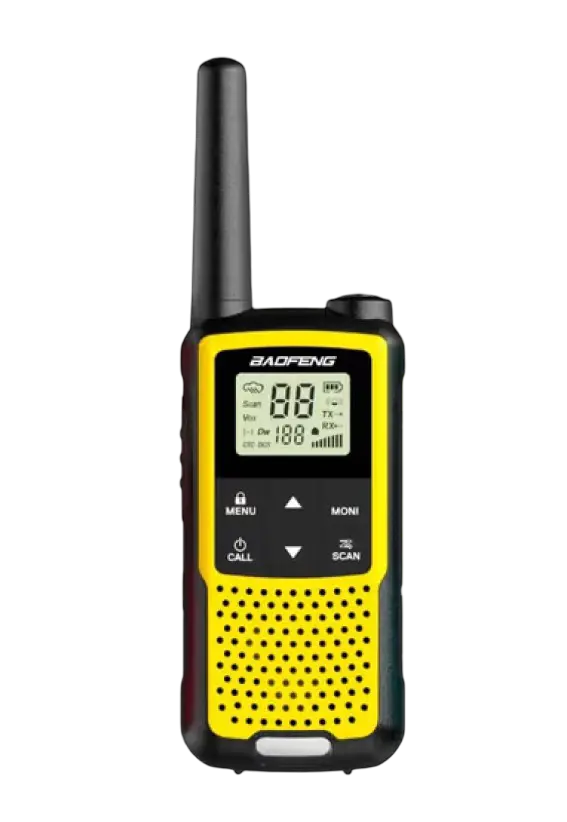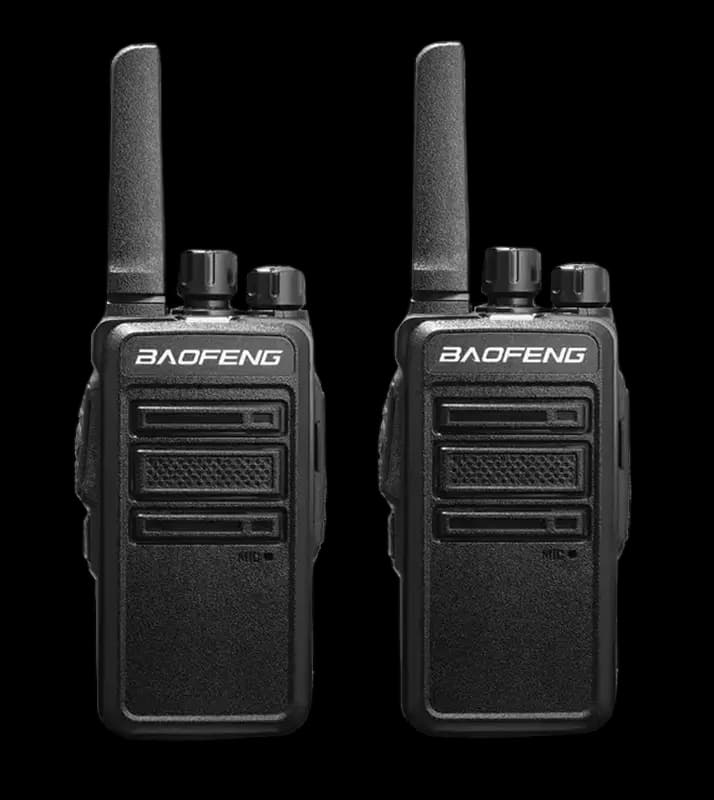






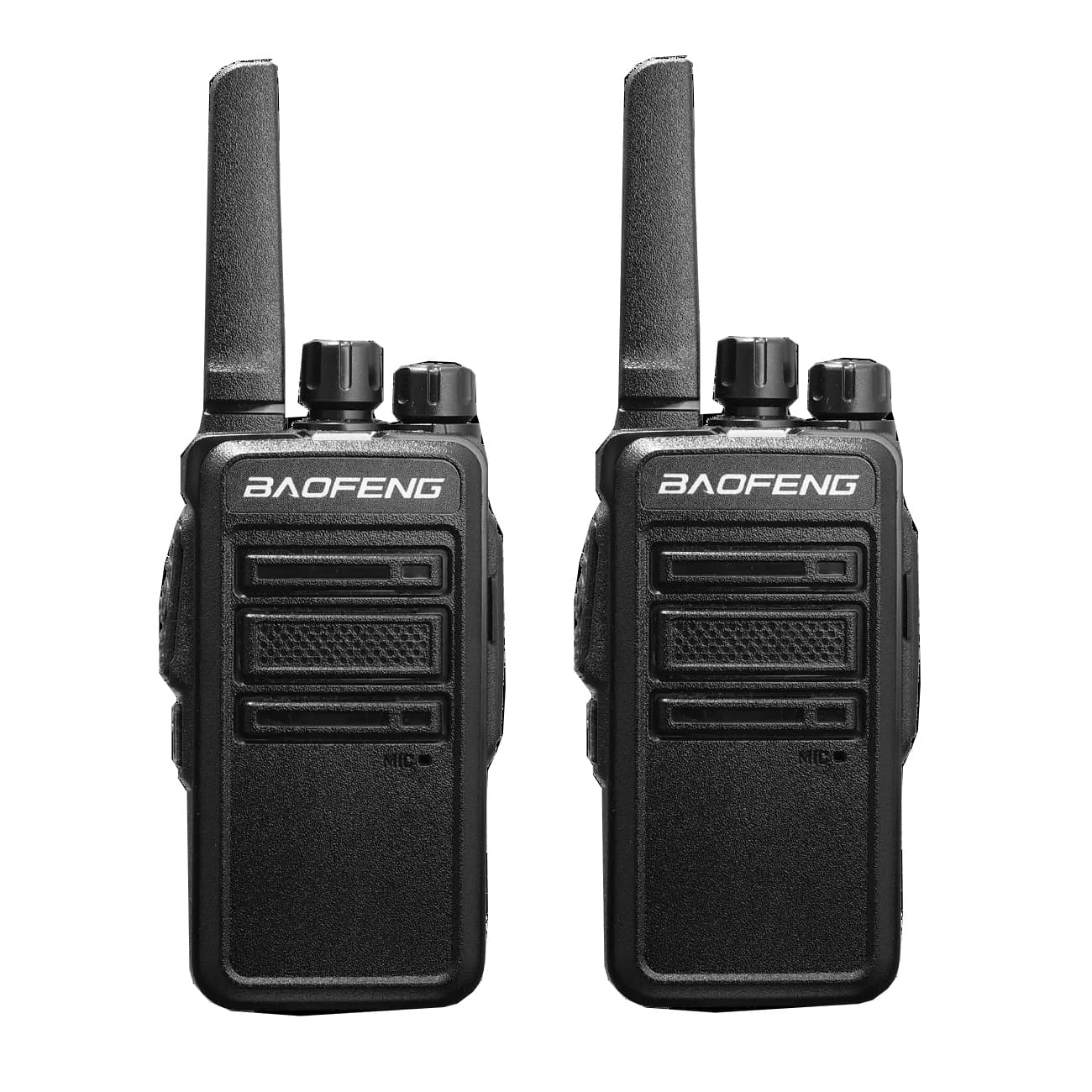
PMR446 Walkie Talkies in India: 10 Things You Should Know Before Buying
Walkie talkies are one of the easiest ways to keep a team connected without depending on mobile networks, SIM cards, internet, or call connectivity. For hotels, schools, warehouses, factories, security teams, events, construction sites, farms, and trekking groups, they offer fast push-to-talk communication when coordination matters.
However, in India, not every walkie talkie can be used freely. Radio communication is regulated, and only specific low-power devices can be used without a separate user licence when they follow the permitted technical limits.
This is where PMR446 walkie talkies become important.
PMR446 refers to Personal Mobile Radio devices operating in the 446 MHz band. In India, the licence-exempt PMR446 range is associated with 446.0–446.2 MHz and a power limit of 500 mW e.r.p., as specified under the low-power short-range radio frequency device exemption rules.
Below are the 10 most important things you should know before buying or using a PMR446 walkie talkie in India.
1. What Is PMR446?
PMR446 means Personal Mobile Radio at 446 MHz. It is used for short-range, push-to-talk voice communication between handheld radios.
Unlike mobile phones, PMR446 walkie talkies do not need:
SIM cards
Recharge plans
Mobile towers
Internet connection
App installation
You simply press the PTT button, speak, and other radios set to the same channel can hear the message instantly.
PMR446 walkie talkies are commonly used by:
Security teams
Hotels and resorts
Schools and colleges
Warehouses
Factories
Parking teams
Events and exhibitions
Trekking and camping groups
Construction sites
Small business teams
They are popular because they are simple, cost-effective, and suitable for quick team communication within a limited area.
2. PMR446 Walkie Talkies Are Short-Range Devices
Many buyers assume that every walkie talkie can cover 5 km, 10 km, or even 15 km. In real-world conditions, range depends heavily on the environment.
A PMR446 radio may perform better in open areas, but the range can reduce inside buildings, basements, factories, crowded markets, malls, warehouses, and city locations due to walls, concrete, metal racks, vehicles, machinery, and electrical interference.
Location TypeExpected PerformanceOpen groundBetter rangeCity areaReduced rangeInside buildingDepends on walls and floorsBasementUsually limitedFactory or warehouseDepends on metal structures and machineryHilltop or open fieldCan perform better
PMR446 should be seen as a short-range coordination tool, not a replacement for mobile phones, repeaters, or licensed long-distance radio systems.
3. Licence-Free Does Not Mean Rule-Free
This is one of the most important points for Indian buyers.
A PMR446 walkie talkie may be used without a separate user licence only when it follows the permitted technical limits. The device must operate within the approved frequency range and power limit, and should be suitable for short-range peer-to-peer communication.
India’s exemption rules mention 446.0–446.2 MHz, 500 mW e.r.p., and channel spacing of 6.25 kHz and 12.5 kHz for PMR 446 MHz devices.
So, before buying a walkie talkie, do not check only the design, price, or claimed range. Always check:
Frequency range
Output power
WPC/ETA compliance information
Seller credibility
Intended use case
4. Avoid High-Power Radios Without Proper Permission
Many imported or programmable VHF/UHF radios available online support higher output power such as 2W, 5W, 8W, or more. These products may look attractive because sellers often advertise “long range” performance, but they may not be suitable for general licence-free use in India.
Using non-compliant or incorrectly programmed radios can create interference for licensed users, commercial networks, emergency communication systems, or other regulated radio services.
For normal use in hotels, schools, warehouses, events, offices, shops, farms, and security teams, it is safer to choose a compliant PMR446 model instead of using high-power programmable radios without proper approval.
5. Check the Frequency Before Buying
Before purchasing any walkie talkie, check the technical specification carefully.
For PMR446 use in India, the frequency should be listed around:
446.0–446.2 MHz
Avoid vague product listings that only say:
“Long range walkie talkie”
“Professional wireless set”
“Outdoor communication radio”
“High-power intercom device”
A reliable product listing should clearly mention:
Frequency band
Output power
Channel details
Battery capacity
Charging method
Compliance or approval information
Warranty details
Intended usage category
If frequency and power details are missing, do not assume the device is licence-free.
6. Compliance and Certification Matter in India
For Indian buyers, especially businesses and bulk buyers, compliance should be treated seriously.
Licence-exempt use does not automatically mean every device can be imported, sold, or used commercially without proper documentation. For wireless equipment, WPC/ETA-related approval may be relevant depending on the product category, import status, and sale conditions.
This is especially important for:
Businesses
Security agencies
Hotels
Schools
Factories
Warehouses
Government supply
E-commerce sellers
Bulk buyers
Buy from a seller who can provide proper product details, invoice, warranty support, and compliance-related information.
7. PMR446 Is Best for Team Coordination
PMR446 radios are useful when a team needs instant communication during daily operations.
For example:
A hotel reception team can contact housekeeping instantly.
A warehouse dispatch team can coordinate with packing staff.
A school security guard can communicate with the admin office.
An event manager can coordinate parking, entry gates, stage, and backstage teams.
A retail store team can manage billing, stock, and floor support quickly.
The biggest advantage is speed. There is no need to dial a number, wait for call connection, or depend on mobile network coverage.
8. Channels and Privacy Codes Are Not Full Privacy
Many walkie talkies come with channels and privacy code features such as CTCSS or DCS. These features help reduce unwanted noise and allow different teams to use different settings.
However, privacy codes do not make communication fully private or encrypted. They mainly filter what your radio hears. Another radio using the same frequency and correct settings may still receive the transmission.
Avoid sharing sensitive information on normal PMR446 radios, such as:
Passwords
Cash movement details
Customer data
Security loopholes
Confidential business information
Personal information
Use walkie talkies for operational communication, not confidential communication.
9. Battery, Audio, and Build Quality Matter More Than Fake Range Claims
Many buyers choose walkie talkies only by looking at the range claim. That is not the best buying method.
For practical use, check:
Battery backup
Speaker loudness
Microphone clarity
Build quality
Belt clip strength
Charging dock quality
Spare battery availability
Warranty support
Ease of use
Channel selection
After-sales service
For business use, a reliable PMR446 radio with clear audio and dependable battery backup is better than a non-compliant high-power radio with unrealistic range claims.
10. Use Walkie Talkies Responsibly
Even licence-exempt walkie talkies should be used responsibly.
Good usage habits include:
Keep messages short and clear
Identify yourself before speaking
Use simple team codes
Do not hold the PTT button unnecessarily
Keep batteries charged
Train staff before use
Do not modify the frequency
Do not interfere with other users
Avoid abusive or unnecessary communication
Responsible use improves team coordination and reduces the chances of interference or complaints.
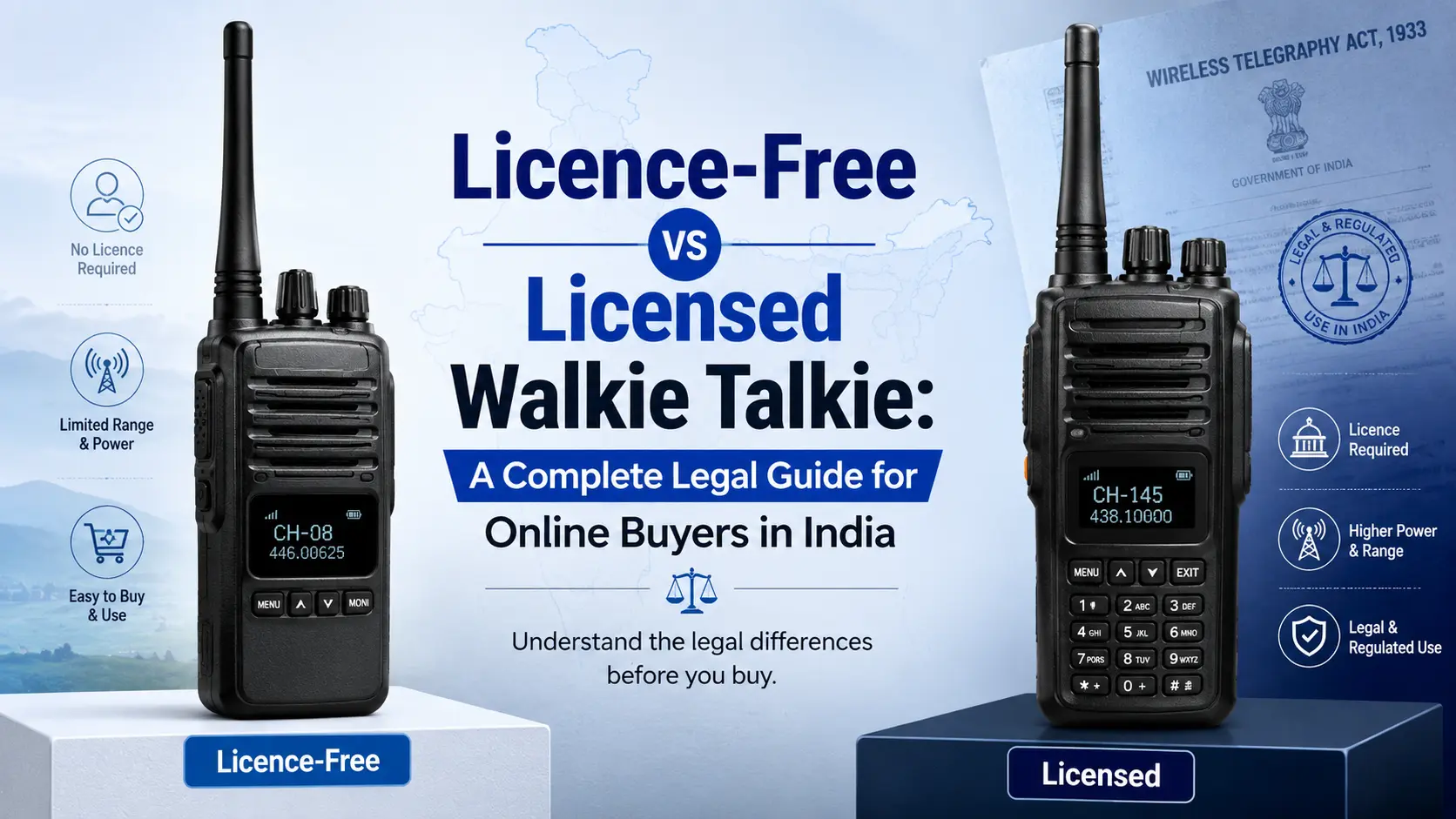
PMR446 vs Licensed Walkie Talkies
PointPMR446 Walkie TalkieLicensed Walkie TalkieLicenceLicence-exempt if compliantLicence requiredPowerLow power, commonly 500 mW e.r.p.Higher power may be allowedRangeShort-rangeLonger range possibleUse CaseHotels, shops, schools, small teamsLarge sites, industrial use, commercial networksSetupSimpleRequires planning and approvalCostUsually lowerUsually higherRepeatersNot for repeater/base station usePossible with valid licence/setupLegal RiskLow when compliantSafe only with valid licence
The Indian PMR446 exemption specifically refers to hand-portable short-range peer-to-peer use, with no base station or repeater use.
Who Should Use PMR446 Walkie Talkies?
PMR446 walkie talkies are suitable for:
Small hotels
Restaurants
Retail stores
Schools
Coaching centres
Farmhouses
Small warehouses
Housing societies
Parking teams
Event volunteers
Trekking groups
Small security teams
Personal and family use
They are not ideal for very large industrial sites, city-wide coverage, long-distance transport fleets, or users who need repeaters and extended coverage.
Quick Buying Checklist
Before buying a PMR446 walkie talkie in India, check:
Does it operate in the 446.0–446.2 MHz band?
Is the power within the permitted PMR446 limit?
Is it suitable for short-range peer-to-peer communication?
Does the seller provide invoice and warranty?
Is compliance or WPC/ETA-related information available?
Are the battery and audio quality suitable for your use case?
Is the product meant for your industry or application?
Final Words
PMR446 walkie talkies are a smart choice for simple, short-range, instant communication in India. They are easy to use, affordable, and helpful for many business and personal use cases.
However, compliance is the key point.
Do not buy a walkie talkie only because it claims long range. Always check whether it works in the permitted PMR446 frequency band, follows the allowed power limit, and comes from a reliable seller with proper product information.
A good PMR446 walkie talkie may not promise unrealistic range, but it gives you something more important: safe, simple, and reliable communication for daily team coordination.
Disclaimer
This blog is for general awareness only and should not be treated as legal advice. Wireless rules, approval requirements, and compliance processes may change. For commercial import, sale, bulk deployment, or specialised use, confirm the latest requirements with WPC/DoT or a qualified wireless licensing consultant.
Suggested FAQs
Q1. Is PMR446 licence-free in India?
PMR446 can be used without a separate user licence when the device follows the permitted frequency, power, and usage conditions.
Q2. What is the PMR446 frequency range in India?
PMR446 is associated with the 446.0–446.2 MHz frequency band in India.
Q3. Can I use a 5W walkie talkie as licence-free in India?
A high-power 5W radio is generally not suitable for normal PMR446 licence-exempt use. Check frequency, power, and compliance before use.
Q4. Are PMR446 walkie talkies good for hotels and schools?
Yes. They are useful for hotels, schools, warehouses, retail stores, events, and small teams that need short-range instant communication.
Q5. Are walkie talkie privacy codes fully private?
No. CTCSS and DCS codes help filter unwanted signals, but they do not fully encrypt or secure your conversation.